
Cozy Corners: How Our Physical Space Shapes Inner Peace
In the modern, fast-paced world, our home is more than just a roof over our heads. It’s a sanctuary that can feel deeply restorative and can hold place for our favourite cozy spots. A place where you can curl up with a book, sip tea while watching rain slide down the window, or simply breathe a little slower. I like to think of these as cozy corners - intentional spaces that gently pull us away from the noise of daily life.
But what if I told you that creating these little havens isn't just about comfort? It turns out there's real science behind why certain spaces make us feel calm, grounded, and mentally restored. Let me share what I've discovered about how our physical surroundings shape our inner world, and how you can use this knowledge to create your own sanctuary at home.
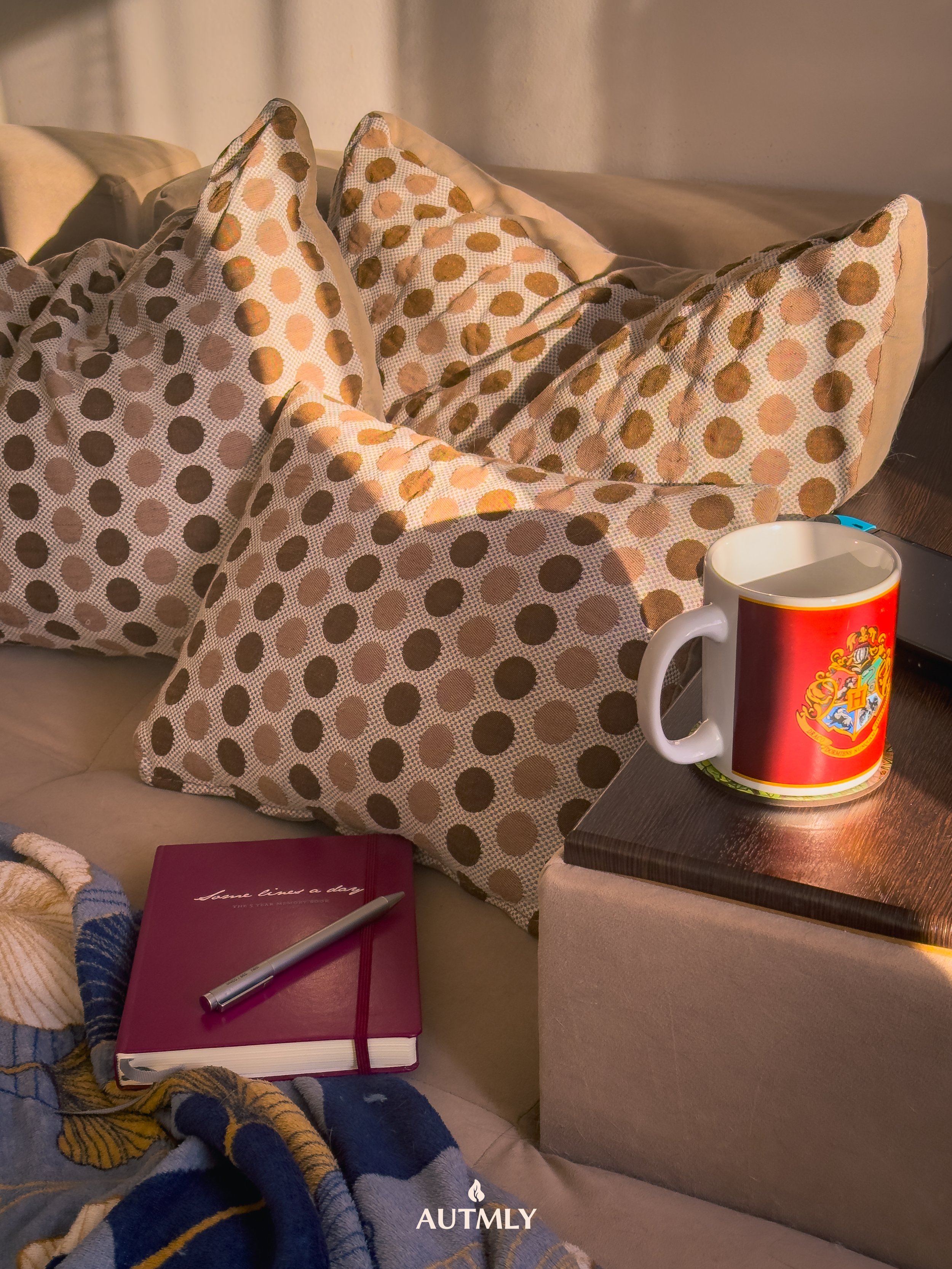
Environmental psychology and architectural design both show that interiors can shape mood, stress, creativity, and even our capacity for emotional regulation.
The Underrated Power of Your Surroundings
Our surroundings don’t just affect aesthetics but can actually deeply influence how we feel, think, and recover emotionally. Research suggests something remarkable about this relationship between space and wellbeing.
In a groundbreaking 1984 study, environmental psychologist Roger Ulrich examined hospital patients recovering from surgery. Those whose windows overlooked trees rather than a brick wall healed an entire day faster, needed less pain medication, and experienced fewer complications. A simple view of nature made a measurable difference in their recovery. And this wasn't a one-time finding. Decades of research have consistently shown that our physical environments influence everything from stress levels to cognitive function.
When patients receiving mental health treatment were asked what physical elements helped their recovery, four key themes emerged:
- sensory design like colors and textures,
- the intensity of engagement in activities,
- opportunities for both privacy and connection;
- the emotional atmosphere of the space itself.
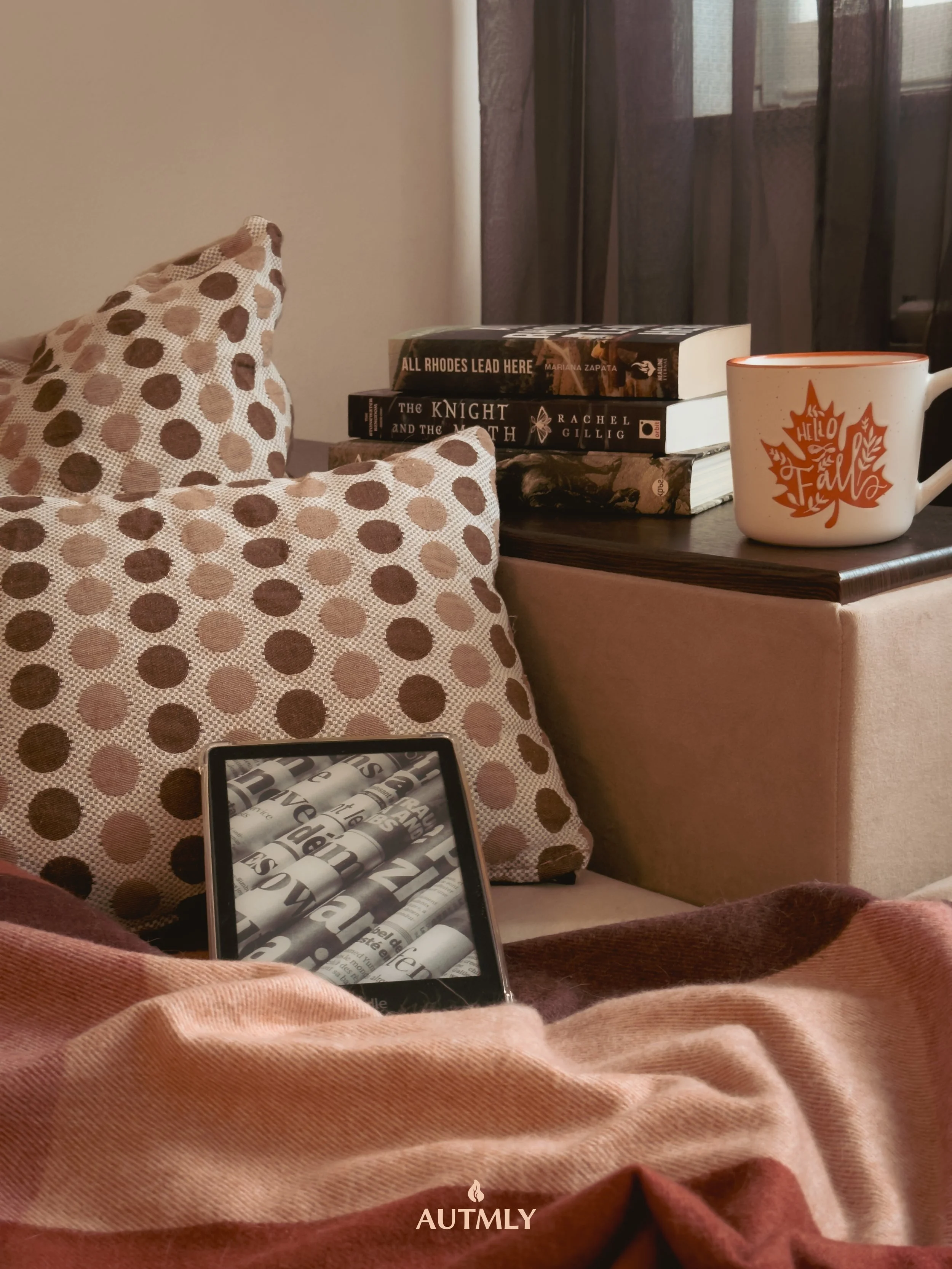
How Can Cozy Corners Help?
The geometry of the room, sensory inputs, and even the materials you choose all contribute to how you feel. A cozy space brings out feelings of security, nostalgia, and belonging. It becomes a refuge during uncertain times, supporting our emotional resilience in ways we might not even consciously notice.
When we have a dedicated, calming corner, we’re more likely to step away from stressors and emotionally reset. The sensory environment helps trigger positive feelings and even boost creativity. Building a corner that feels uniquely yours deepens place attachment, which is linked with emotional security and a feeling of home. According to healing spaces research, well-designed corners that engage the senses can support long-term emotional regulation and mental health.
Psychological Safety
Our evolutionary past still influences how we respond to spaces today. We're naturally drawn to environments that offer both "prospect and refuge" - the ability to see our surroundings while having a protected place to retreat. This is why corner nooks, reading chairs with high backs, or spots near windows but away from main traffic feel especially comforting.
When arranging your cozy corner, consider this instinct. A chair angled slightly toward a window but with a wall or bookshelf behind it often feels more secure than one floating in the middle of a room.
Creating Your Own Cozy Corner
Here are some evidence-based ways to craft a space that truly nurtures your mental wellbeing.
Choose the right spot - Look for underused corners, alcoves, or even a space next to a window. Views of nature through windows have been linked to better sleep and increased physical activity;
Bring in soft shapes - Curved architecture or furniture tends to reduce stress and negative mood compared to angular designs. Use rounded furniture (chairs, side tables), rugs, or décor. Soften sharp architectural lines with textiles or plants;
Texture matters - Plush textiles, soft throws, natural materials provide comfort and can trigger calm responses;
Let the light in - If possible, maximize natural light and at night use warm, soft lamps or string lights instead of harsh overhead lighting to create a calming atmosphere;
Pick the right colors - Color psychology is a topic that deserver to be explored on it's own. Incorporate calming colors through throw pillows, blankets, artwork, or a favorite reading chair. Choose a palette that reflects the mood you want to cultivate in your retreat. Blue tones have been shown to activate the parasympathetic nervous system, lowering heart rate and reducing stress. Lavender has similar calming effects, while gentle greens evoke the refreshing feeling of walking through a park;
Create layers of comfort - a soft blanket draped over a chair, a fuzzy rug underfoot, smooth wood surfaces mixed with woven baskets. This variety creates depth and warmth that a single texture can't achieve alone.
Keep it uncluttered - your cozy corner should feel open and breathable, not crowded. Keep only what truly serves the space's purpose: bringing you peace and restoration.
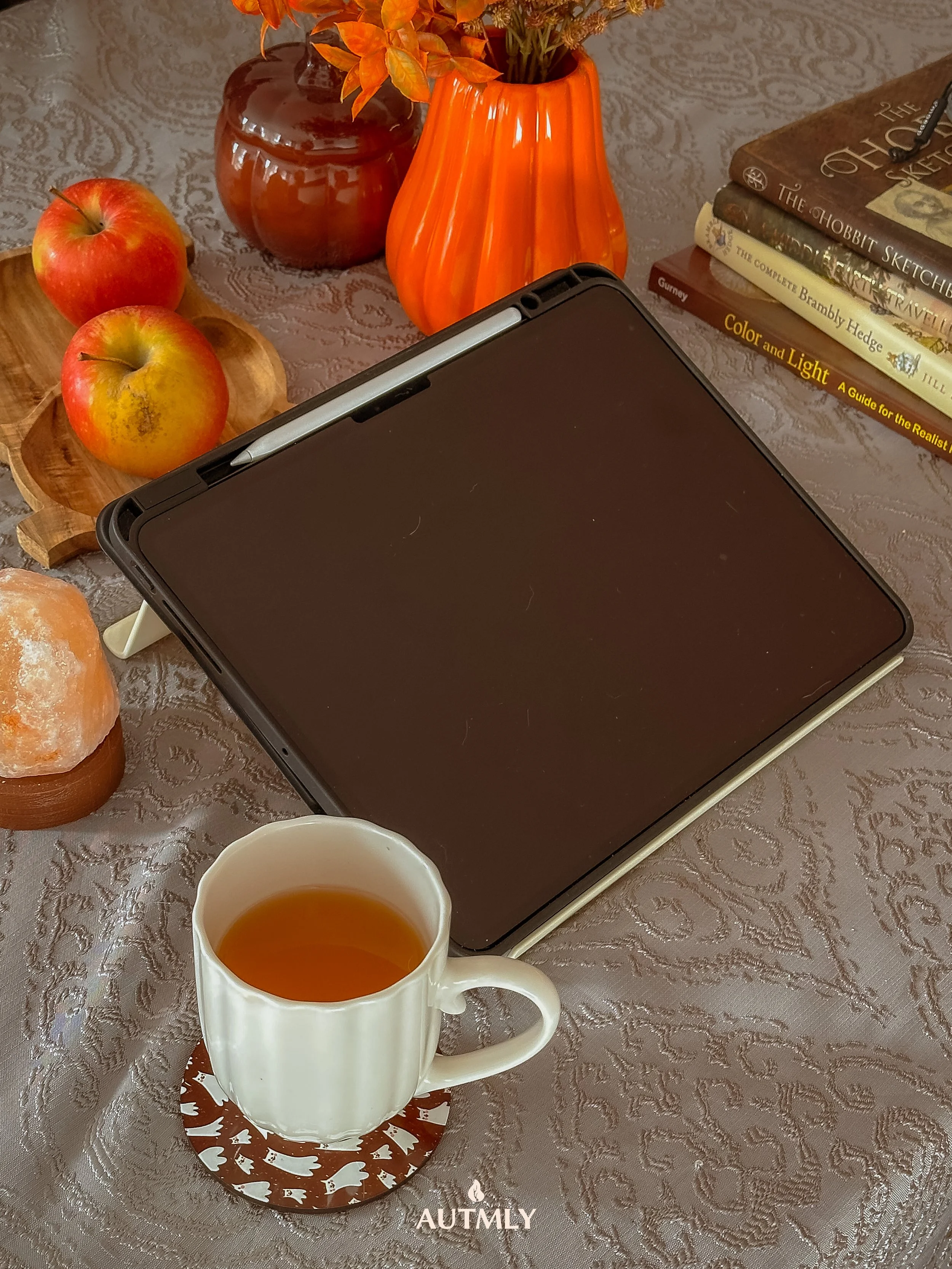
Add Personal Meaning
Your cozy corner should reflect who you are. Research on healing environments emphasizes that spaces which resonate with our values and interests become sources of joy and inspiration rather than just functional areas. Include items that bring you happiness like favorite books, meaningful photographs, a collection of shells from beach walks, handmade pottery, or artwork that moves you.
These personal touches transform a corner from just another spot in your home into a place that feels genuinely yours and a reflection of your inner world.
A Quiet Spot in a Noisy World
In our increasingly hectic world, intentionally designing spaces for mental wellbeing isn't just nice - it becomes a necessity. These cozy corners become anchors in our days, a physical reminders to pause, breathe, and reconnect with ourselves.
You don't need to redecorate your entire home or spend a fortune on new furniture. Start small with one corner, one chair by a window, one spot that calls to you. Add a soft blanket, a plant, maybe a small lamp with warm light. Notice how it makes you feel when you spend time there. Then slowly build from that foundation.
Creating a cozy corner is an act of self-care, a gentle investment in your mental health and emotional comfort. It's giving yourself permission to have a space that exists solely for rest, reflection, and peace.
Thank you for reading and I hope I see you next time. 🍂
Keep your heart cozy - no matter the season.
——————————————————————————
Sources for this article:
1. Ulrich, R.S. (1984). View through a window may influence recovery from surgery. Science, 224(4647), 420-421.
https://pubmed.ncbi.nlm.nih.gov/6143402/
2. Newport Institute. (2025). How Does Your Physical Environment Affect You and Your Mental Health?
https://www.newportinstitute.com/resources/mental-health/physical-environment-affect-you/
3. PLOS ONE. (2023). The impact of physical environments on outpatient mental health recovery: A design-oriented qualitative study of patient perspectives.
https://journals.plos.org/plosone/article?id=10.1371/journal.pone.0283962
4. PLOS ONE. (2018). The relationship between greenspace and the mental wellbeing of adults: A systematic review.
https://journals.plos.org/plosone/article?id=10.1371/journal.pone.0203000
5. ASID. The Neuropsychology of Space: Designing Environments for Emotional Well-being.
6. Medium. (2024). The Happy Space: How Coziness Transforms Our Emotional Landscape.
7. Michael Helwig Interiors. (2024). Beyond Aesthetics: The Science Behind Comfortable and Cozy Homes.